Medical device manufacturers continue to push the limits of miniaturization, creating catheters, guidewires, implant delivery systems, and precision dispensing devices with increasingly smaller and more complex designs. MP35N micro tubing has become a preferred material for these applications because it combines exceptional strength, fatigue resistance, corrosion resistance, and biocompatibility in a compact form. When paired with custom tube drawing and precision secondary processing, MP35N tubing enables engineers to develop reliable, high-performance medical components that meet demanding dimensional and mechanical requirements.
Why Choose MP35N Micro Tubing?
MP35N is a cobalt-nickel-chromium-molybdenum alloy engineered for applications where conventional materials may not provide enough strength or durability. Its combination of mechanical properties makes it particularly well suited for micro tubing used in minimally invasive medical devices.
Key advantages:
- Exceptional strength in small-diameter tubing
- Excellent fatigue resistance for repeated flexing
- Outstanding corrosion resistance
- Nonmagnetic properties
- Excellent biocompatibility
- Long-term mechanical stability
These characteristics make MP35N an excellent choice for engineers designing components that must perform reliably while maintaining extremely small outside diameters and thin wall thicknesses.
Custom-Drawn MP35N Micro Tubing
No two medical devices are exactly alike, which is why many engineers specify custom MP35N tubing rather than relying on standard stock sizes.
Custom tube drawing allows manufacturers to produce tubing with application-specific:
- Outside diameters (OD)
- Inside diameters (ID)
- Wall thicknesses
- Lengths
- Mechanical properties
For catheter developers, these design variables can directly influence device flexibility, strength, assembly, and overall performance. Custom-drawn MP35N micro tubing also helps reduce unnecessary secondary operations by delivering tubing closer to the final design requirements.
Whether supporting early-stage prototypes or production programs, custom tube drawing provides greater design flexibility while maintaining the dimensional consistency required for precision medical components.
Precision Processing and Micro Machining of MP35N
Producing MP35N micro tubing is only the beginning. Many medical components require additional processing before they are ready for assembly.
Depending on the application, precision secondary operations may include:
- Laser cutting
- Precision micro machining
- Swaging
- Tip and nozzle forming
- Laser welding
- Surface finishing
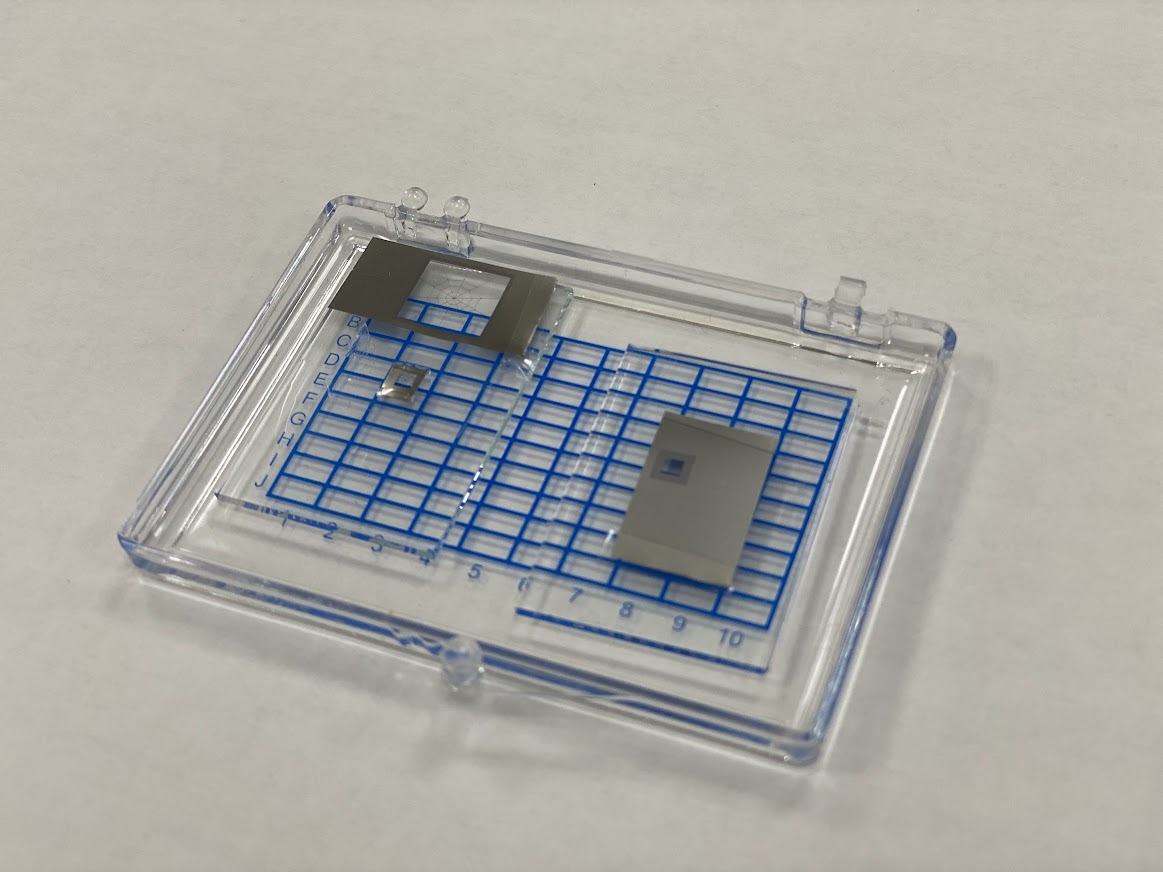
Integrating these capabilities allows manufacturers to transform custom-drawn tubing into finished tubular components while maintaining tight tolerances throughout the manufacturing process.
For engineers, working with a supplier that offers both custom tube production and precision processing can simplify development and improve consistency from prototype through production.
Medical Applications for MP35N Micro Tubing
Because of its strength and corrosion resistance, MP35N micro tubing is widely used in applications requiring compact, high-performance tubular components.
Common applications include:
- Steerable catheter systems
- Guidewire components
- Implant delivery systems
- Medical dispensing nozzles
- Precision analytical instrumentation
- Surgical devices
- Custom tubular assemblies
As medical devices continue to shrink, the ability to manufacture small-diameter, thin-wall tubing with consistent quality becomes increasingly important.
Subsequent Precision Manufacturing Processes
Manufacturing MP35N extends well beyond tube drawing. Once the desired dimensions and material properties are achieved, a variety of precision secondary processes can be applied to create functional components for medical and analytical applications.
Depending on the design requirements, these processes may include:
- Custom tube drawing for application-specific dimensions
- Small-diameter and thin-wall tube manufacturing
- Precision laser cutting for slots, windows, and complex geometries
- Micro machining of critical features
- Swaging and tip forming
- Laser welding and joining
- Precision nozzle fabrication
- Surface finishing and polishing
Integrating these capabilities allows engineers to move from raw micro tubing to finished tubular components while maintaining tight tolerances, consistent quality, and repeatable performance. By combining multiple precision manufacturing processes, complex medical components can often be produced more efficiently and with fewer downstream manufacturing steps.
Ready to Start Your MP35N Project?
Whether you’re developing a catheter, guidewire, or precision tubular component, our engineering team is ready to help.
- Receive engineering support for your application
- Upload your CAD file or drawing
- Review custom tubing dimensions and material options